If you buy a vacant lot in Placid Lakes or rural Highlands County, there's a good chance you won't be hooking up to city water and sewer. Instead you'll need a private well for drinking water and a septic system for wastewater. Neither is unusual or scary — thousands of homes around Lake Placid run this way — but both can make or break whether a lot is buildable. Here's what to check before you buy.
First: are central utilities available?
Before anything else, find out whether public water or sewer is available at the road. Parts of the Town of Lake Placid are served by town utilities, and some neighborhoods have water lines but no sewer. Call the utility provider with the parcel address or ID and ask:
- Is water available at the property line?
- Is sewer available, and is connection required?
- What are the connection and impact fees?
If the answer is no to both, plan on a well and septic. If water is available but sewer isn't — a common situation — you'll still need septic.
Septic: the bigger question
The septic system matters more than the well when it comes to buildability, because not every lot can get a septic permit. In Florida, septic systems (officially "onsite sewage treatment and disposal systems") are permitted through the county health department. In Highlands County that's the Florida Department of Health in Highlands County.
What the permit depends on
- Soil. A soil evaluation checks how well the ground drains. Much of the Lake Wales Ridge around Lake Placid is deep, well-drained sand, which is generally good for septic. Lower ground can be a different story.
- Water table. If the seasonal high water table is close to the surface, the drainfield may need to be raised with fill — called a mound system — which costs more.
- Lot size and setbacks. The system must sit certain distances from wells, property lines, buildings and water bodies. On small lots, especially near lakes and canals, fitting everything can be tight.
- Wetlands and flood zones. These can restrict where, or whether, a system can go.
Before you buy
If possible, make your purchase contingent on a successful soil evaluation or septic permit, or at least talk to a licensed septic contractor about the specific lot. Some sellers will already have this information — ask. Also ask the health department whether any newer septic rules, like enhanced nutrient-reducing systems near springs or sensitive waters, apply to the area. These can raise costs.
Well water: what to know
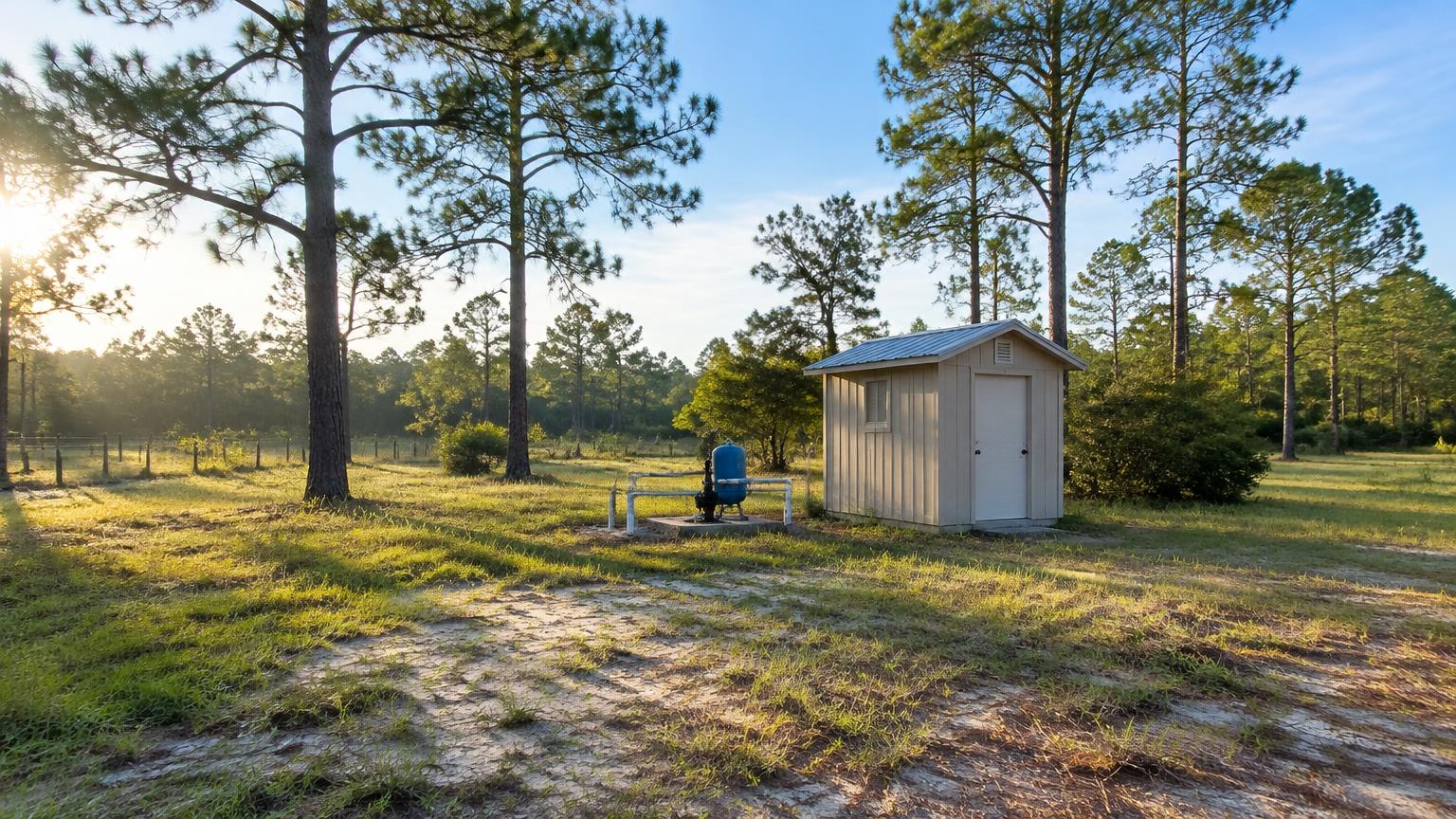
Most private wells around Lake Placid draw from the Floridan aquifer or shallower aquifers beneath the ridge. Wells are permitted through the Southwest Florida Water Management District or the county, depending on the well, and drilled by licensed well contractors.
Things to ask a local well driller:
- How deep are wells typically drilled in this area?
- What does the water quality tend to be like? Iron, sulfur smell and hardness are common in parts of Florida.
- Will I likely need a water softener or filtration system?
- What's the rough cost for the well, pump and tank?
Once a well is in, have the water tested before you rely on it for drinking. The health department can point you to testing options.
What it typically costs
Costs vary with soil, depth, system type and contractor availability, so get real quotes. As a rough guide, budget several thousand dollars for a standard septic system and several thousand more for a well, pump and pressure tank. A mound septic system or a deep well can cost significantly more. Add permit and soil evaluation fees on top.
On an inexpensive Placid Lakes lot, the well and septic together can cost about as much as the land itself. That's normal here, and it's part of why lots with central water or sewer often sell for more.
Red flags to watch for
- The lot is very small, oddly shaped, or right on the water.
- Standing water or wetland plants after rain.
- A FEMA flood zone A or AE designation.
- A seller who won't let you do a soil test before closing.
- Neighboring lots that have sat empty for decades while others around them were built on.
None of these automatically rule a lot out, but each is a reason to dig deeper. Our buying guide covers flood zones and wetlands in more detail.
A simple checklist
- Confirm whether water or sewer is available at the road.
- Check the flood zone and look for wetlands.
- Talk to a septic contractor or get a soil evaluation.
- Talk to a local well driller about depth, water quality and cost.
- Get written quotes and add them to your total budget.
- Make your offer contingent on septic feasibility if you can.
Planning to finance the land and the well and septic? Our financing guide explains your options. Or tell us what you're looking for and we'll point you toward lots in areas around Lake Placid that fit.